🤖 Byeongjin Kang
M.S./Ph.D. Student @ Yonsei University | Perception & Embodied AI
I am an M.S./Ph.D. student in Artificial Intelligence at Yonsei University, in the
V-Lab advised by Prof. EunByung Park. And I'm currently a Research Intern at KETI (Korea Electronics Technology Institute)
My research focuses on Perception and Robot Learning, with the goal of developing AI systems that can perceive, reason about, and interact with the real world using multimodal sensor data. I am particularly interested in spatial reasoning and in building frameworks that translate intelligent perception into intelligent robotic behavior for solving complex real-world problems.
Previously, Research intern at RLLAB (Prof. Youngwoon Lee) and CSI Lab (Prof. Yusung Kim).
[ Publications ]
Coming soon...
[ Projects & Activities ]
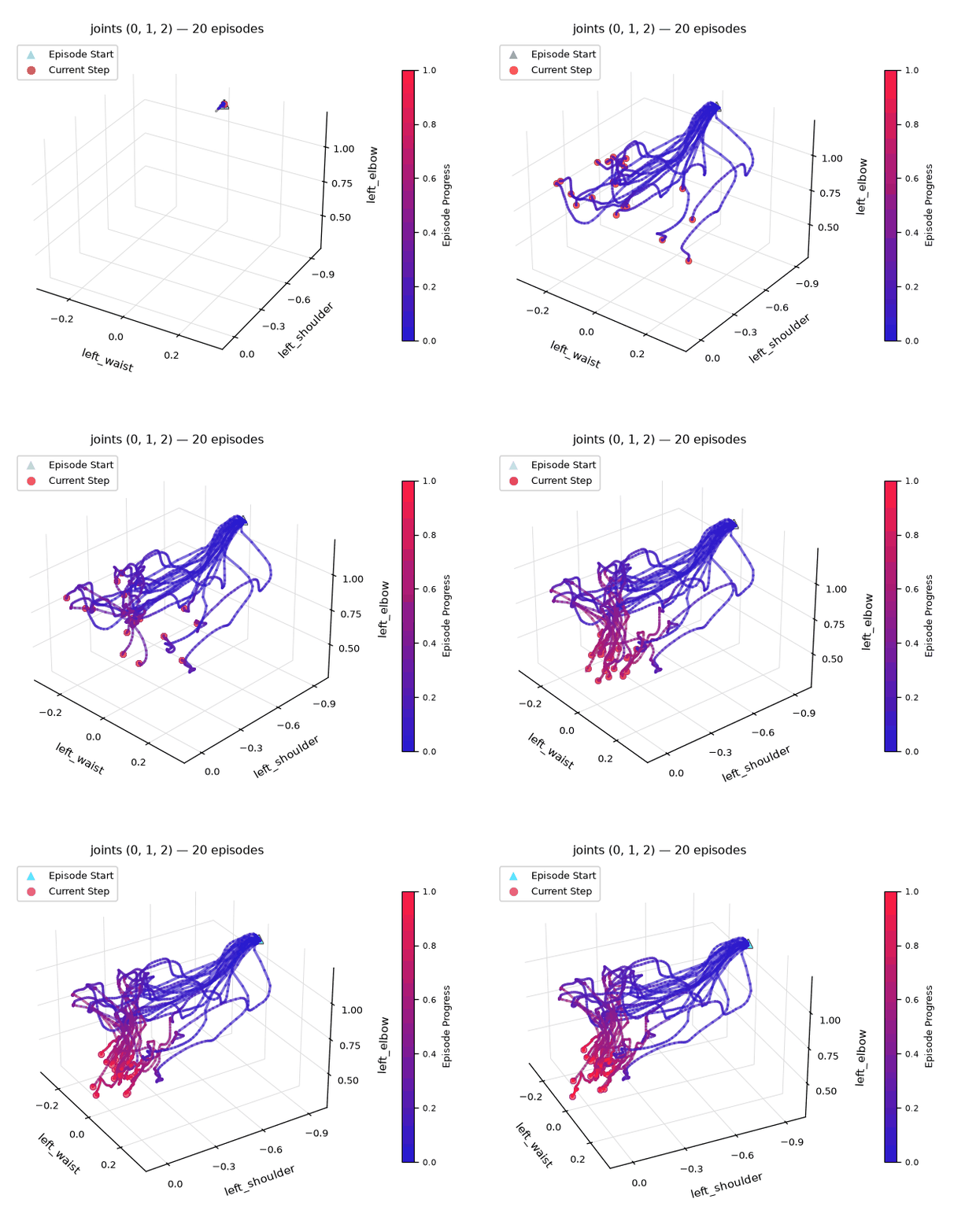
Developed a diagnostic tool to analyze robot learning datasets, identifying biases and inconsistencies to enhance model training and performance.
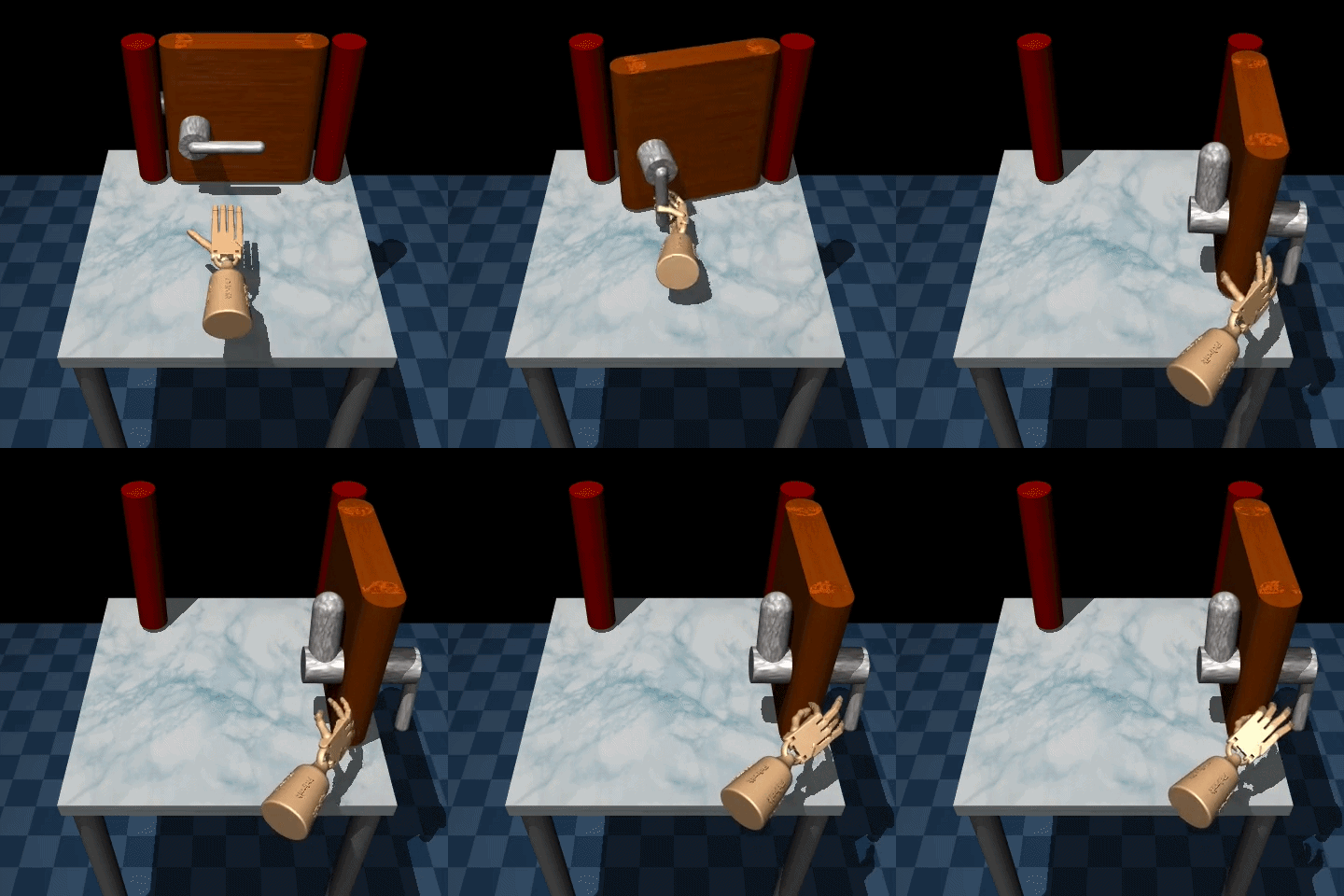
Investigated dynamic masking for high-dimensional robot learning (upon Body Transformer) to improve learning efficiency by focusing on relevant information and reducing computational overhead.
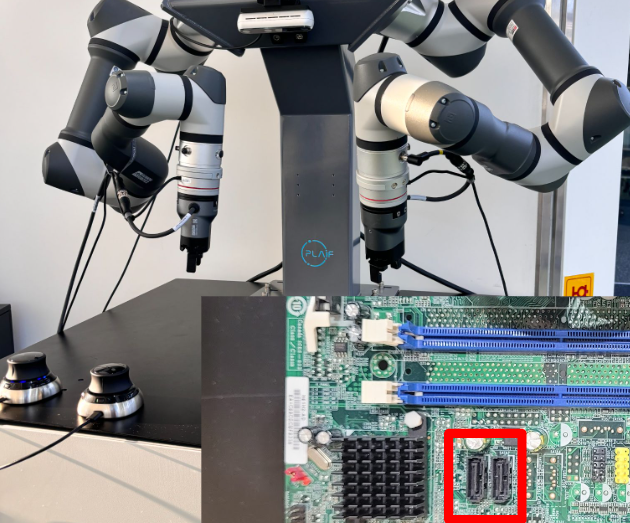
Explored real-time online reinforcement learning for complex robotic manipulation tasks using RLPD (Online RL with Prior Data), combining prior offline data with online interaction for efficient adaptation.
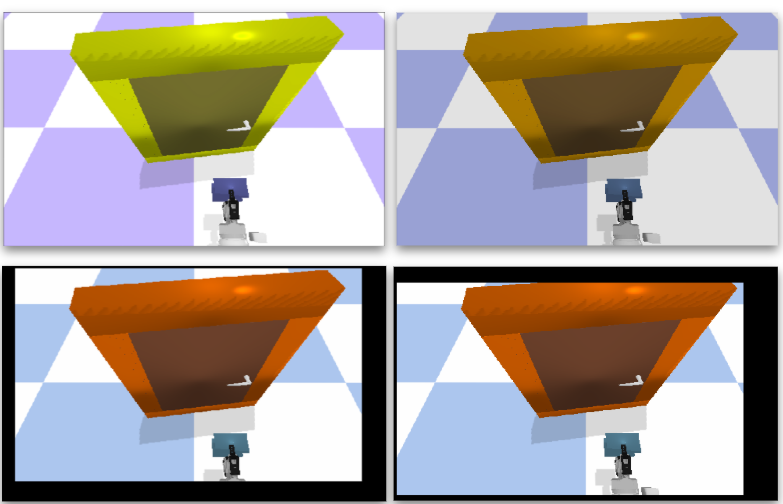
Enhanced imitation learning robustness to visual variations using multi-camera inputs, achieving 80% success in noisy environments.
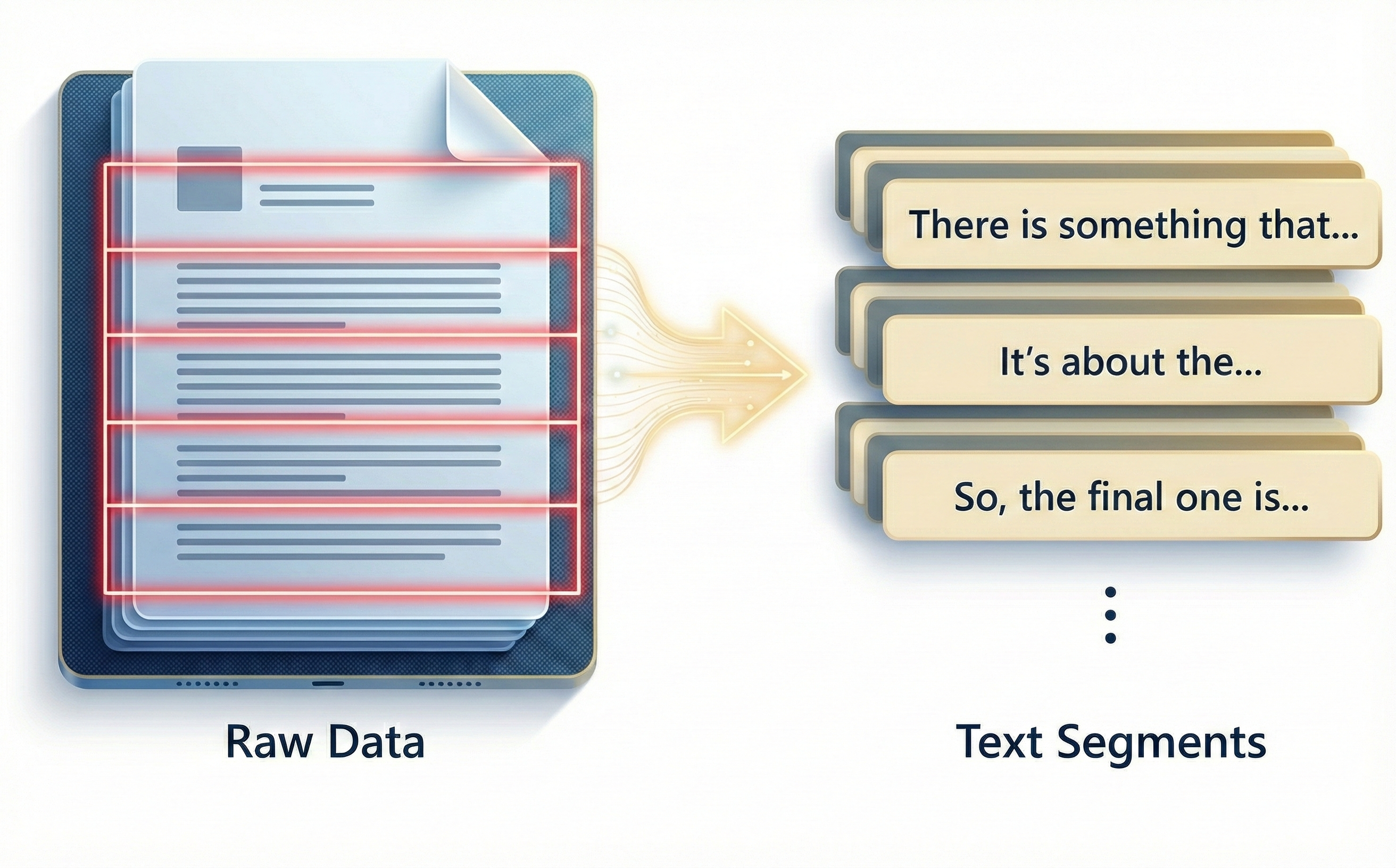
Developed a hierarchical segmentation pipeline for long-text summarization using a 0.5B-parameter language model. Used lightweight embeddings to cluster semantically similar segments and recursively concatenate/summarize them for long-context processing.